Include+ Principles in Oral History

Care, Curation and Challenge : Aligning Mhor Collective’s work on Oral History in Castlemilk with the INCLUDE+ Principles


Using digital inclusion to celebrate and enhance community power and cohesion

Introduction

At Mhor Collective, our aim is to adopt “a human rights approach to digital inclusion”, and we emphasise that the process of including everyone in the digital sphere is inextricably linked to improving social equality. We work in partnership with stakeholders throughout Scotland as well as elsewhere in the UK and in Canada, delivering training, producing research, developing services and conducting evaluations.

This review examines the work of the Castlemilk Oral History group, from its forebears, to its inception, to the development of the work and finally its launch as a website and celebration event. Rather than coldly analysing the project in academic terms, what follows is a personal account that verges on autoethnography, interspersed with the voices of community members who were co-participants.


Background

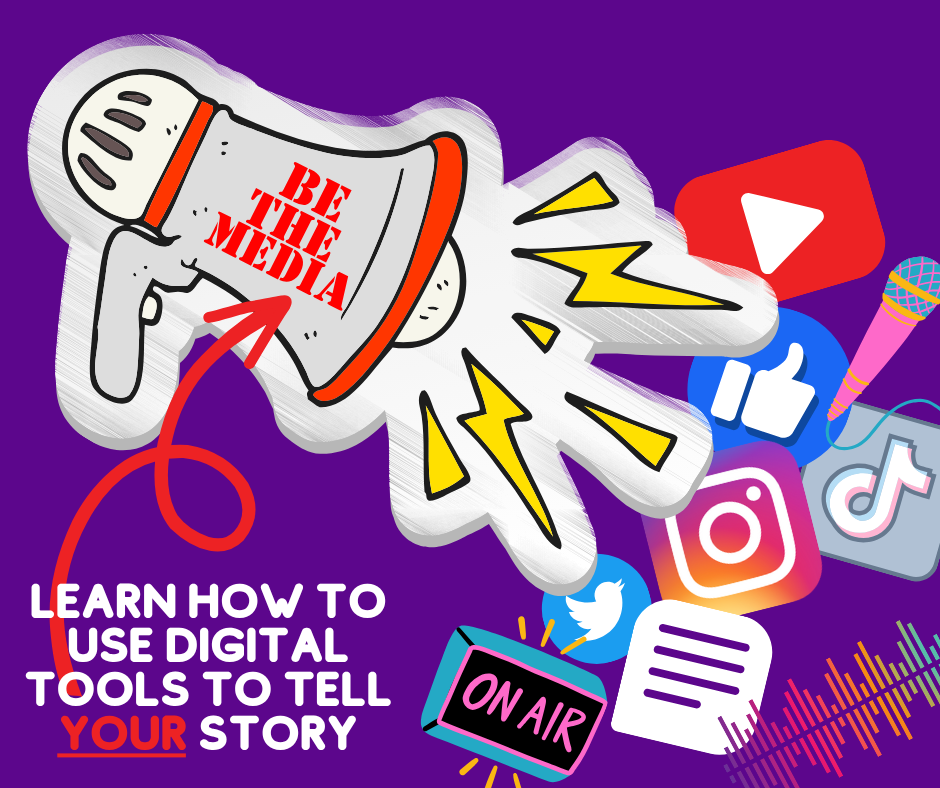
Our work together began late in 2024, with a short programme entitled “Be The Media!” Over four weekly sessions, we looked at taking, editing and sharing photos, moving onto video, audio and the written word. Our sessions were hosted by Cassiltoun Housing Association, a long-term partner organisation for us in the Castlemilk area of Glasgow.
Key to this project was a theme of citizen control, meaning that it overlapped with questions of media literacy:

  • Who chooses what’s depicted?
  • How do they frame it?
  • What text accompanies what image or sound?
  • How does that affect the viewer?

In one session, echoing the ‘conscientisation’ methods of Paulo Freire, I used a method of visual stimulus, showing a photograph of a litter pick by Cassiltoun staff members. Participants were asked how viewers might hypothetically comment on the picture, with responses ranging from “it’s brilliant what they’re doing” and “they’re helping the community” to “they shouldn’t have to do that” and “shocking, they should concentrate on the repairs to people’s houses instead.” While it should be noted that these were not necessarily the views of the attendees themselves, this showed how an image can be differently received.

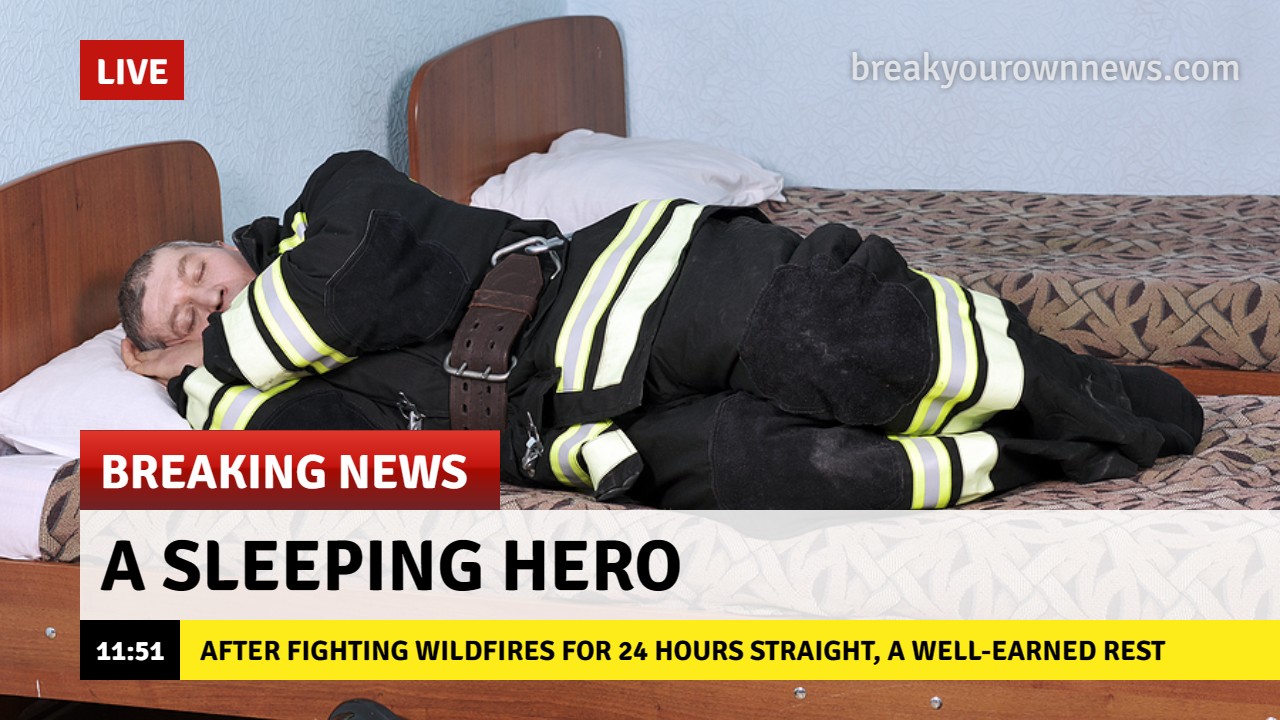
We then showed a picture of a sleeping firefighter with mock headlines, showing not only the contrast in narratives but also deconstructing the legitimacy of what may, at first sight, appear to be genuine news content.

Control was also a theme in the sense of community members being active producers, instead of passive consumers, of media. Therefore, we discussed engaging with existing media critically, while also becoming equipped with new discoveries in photography, video capture and sound recording, to tell their own stories.

Key to this session was the notion of transferable skills – the taps, swipes and other actions that lead on from media capture. So, we shared our photos, emailed our videos, found our captures on our devices and renamed them, centering these core skills within the vehicle of media creation. Under the hood, the sessions were essentially about navigation around a smart device.

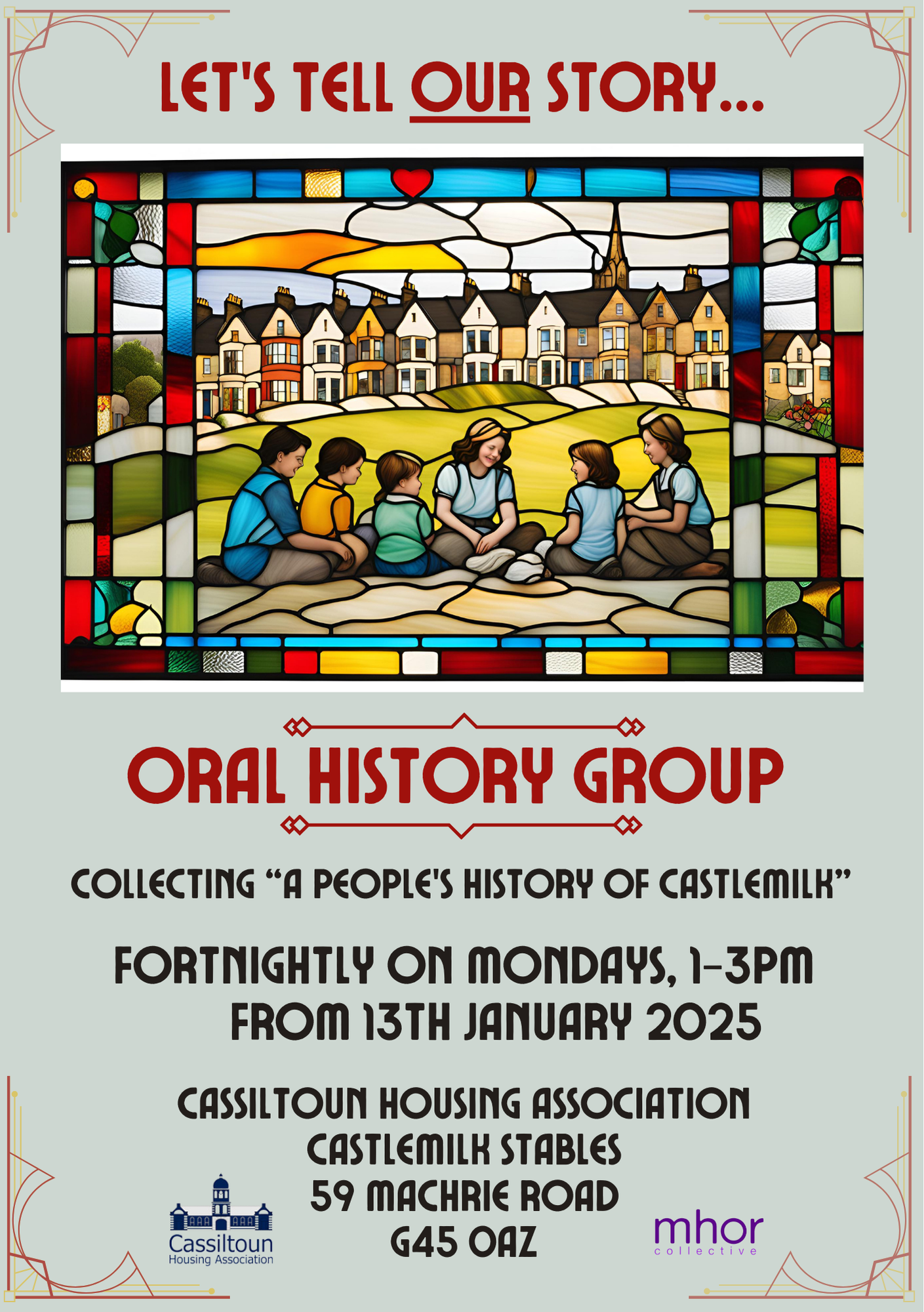
The programme was well-received, with members requesting further sessions on other aspects of their devices. Through discussion with community members and Cassiltoun’s Community Team, we decided to launch an oral history group. This idea was enthusiastically developed by the group members. Hence this relatively small media literacy project, which acted as a catalyst for building both community capacity and digital empowerment, was able to grow through our co-design and participatory approaches into a larger and longer-term commitment.
 

In what follows, I will discuss and assess this project in light of the Include+ principles, a suite of concepts that are “meant to guide us when designing and implementing community-centred projects in ethical and inclusive ways.” While the principles are mainly aimed at assessing what sort of research Include+ will seek to support, they are also a highly effective lens for considering the strengths and purpose of digital inclusion activity more generally.


Meaningful Digital Inclusion

Of all the Include+ principles, this most directly maps onto the project. At Mhor, we’re big fans of the ‘hook’, the One Weird Trick that gets people interested in their digital device. It could be knitting, or football, or face-timing a relation, but it’s something you care about, and the swipes, clicks and taps they require are the inroads to a host of transferable skills that open up the device’s potential

I would suggest that there are two core concepts behind this principle: that digital inclusion should be relevant and that it should be resonant.

Group members were passionate about the idea of preserving and celebrating the social history of Castlemilk, particularly older folk who recognised the risk of a rich tapestry fraying in the winds of time. As a post-war housing scheme, many of the people who were born or moved there in very early childhood are now elderly; frankly, the lived experience of mass movement to the new estate, both positive and negative, isn’t going to live forever. Group members felt it was important to build an archive of this shared past.

Castlemilk is not the place it was in the late 1950s. Many of the memories we captured spoke of the lush, green, clean and aspirational place they first encountered, like Bessie’s belief that “the sun seemed to shine all the time”:

Equally, there was a feeling in the group that “history isn’t all about lords, ladies and castles. We believe everyone has a story to tell.” There’s an almost moral imperative at play here: that it’s only right for the full range of human experience to be captured and shared. While it’s certainly more common nowadays to hear of a “People’s History of…” this or that, the justification behind it is that we’re still overfed tales of the great and the good as the motors of history. The group felt this resonance keenly and were driven to build up their recording skills to address this persistent imbalance.


Collective Care

This is without doubt my favourite principle, and not just because it references mutual aid, a central pillar of my work. Collective care is about nurturing and embellishing the self-sustaining bonds within communities so that growth is jointly derived and communally shared.

In our project, again, we were all involved in gathering memories, and when new skills were in play we’d often pair up so that members would discover and develop together. While I’d facilitate these sessions and ‘float’ amongst pairs to answer any queries, it was common for participants to lead each other through the task. They’d meet socially or off-site to make recordings and help each other with intermittent queries. And maybe some of those times, they’d get stuck together, because it’s ok to feel it’s ‘not just you’ who doesn’t get it.

More generally, this project was one of collective care because the Castlemilk community was stewarding its own archiving, deciding what to record, who to speak to, and how those recordings would be heard. A shared history is a common identity.

But who counts as the collective? I was a group member and did not consider myself external to my accomplices, so amongst the archive, you’ll hear my voice as both interviewer and interviewee. In my work, there’s an important difference between ‘let’s get all those folk over there singing and dancing as a group’ and ‘let’s all sing and dance together’. So, I embraced this, learning so much about Castlemilk and its people, fully meeting Freire’s idea of the ‘teacher-student’ who gathers as much as he gives, and equally my co-participants were ‘student-teachers’ who reciprocated this balance. In one of my favourite passages, Freire goes one blissful step further than this formulation, whereby:

at the point of encounter there are neither utter ignoramuses nor perfect sages; there are only people who are attempting, together, to learn more than they now know.

This forms a dissolution of the ‘teacher-student/student-teacher’ dialectic, to people who are learning and sharing collectively. Group members repeated this process, as they recorded their own and each other’s recollections, as well as those of others in the community.

It’s important to state that in other ways the project ran counter to the Include+ description of collective care. Most notably, group members were not “properly remunerated for their time,” as they were not paid at all! However, this element of the principles directly relates to projects funded by Include+; not only was our oral history project unfunded by them, it wasn’t funded by anyone besides Mhor Collective contributing my time. This wasn’t quote-unquote ‘research’, it was community activism and Ivan Illich-style ‘conviviality’ in action, sharing time and skills with a view to bolstering social cohesion. As such, it doesn’t entirely fall under the remit of the Include+ rubric.

Nonetheless, there are intriguing points here. Would it have been better to pay the group members to celebrate their neighbourhood? Should I be paid when I repurpose food waste for a community meal at the weekends? Couldn’t people at climate protests or arms blockades be funded for their time? Can I only drive to the shops for my neighbour if they pay for my petrol? There are many views here, from those who highlight, in line with Include+, that remuneration is a key factor in equity, to those who rail against the notion of ‘work’ in community activism.

However, it’s unfair to critique the project on financial grounds, because it wasn’t a pure research initiative. There’s often a muddy line between when we stop doing community ‘work’ and when we’re living and acting as community members. Knowing many of the group members as I do, they’d have been at best profoundly uncomfortable at being paid; no doubt some of them would have passed the funds to other community initiatives rather than hold onto it. This type of action has, at root, a kind of internal, collective joy to it. I’m reminded of bell hooks: “One of the most vital ways we sustain ourselves is by building communities of resistance, places where we know we are not alone.” At the same time, a Freirean pedagogy of hope shows us that “to build community requires vigilant awareness of the work we must continually do to undermine all the socialization that leads us to behave in ways that perpetuate domination.” Taken together, these quotes indicate that we co-create places of belonging to nourish ourselves, while we can harness an underlying recognition of the forces we’re up against to fuel that very co-creation.


Responsiveness

The principle of responsiveness, to me, covers two main areas. First, our efforts should be based on a clear relationship to the facts on the ground of a community; they should address or respond to a preexisting drive, need, passion or surge. Second, we need to respond to change as projects progress, by adapting to unexpected circumstances or the developing wishes of those involved.

As noted, the oral history project was suggested by community members who had attended ‘Be The Media!’ in anticipation of getting to know their devices better. It was also a response to a community mapping exercise I’d undertaken, where I’d been told of the dearth of digital inclusion opportunities in the South East of Glasgow. Lastly, there is a longstanding passion in Castlemilk to stand up for itself, to challenge dominant narratives and seek social change. All of these built inertia towards a project of this sort.

In the other sense of responsiveness, we started with a blank page and discussed as a group which aspects of Castlemilk would be our focus. Over time, we gathered recordings on:

  • First memories of Castlemilk
  • Castlemilk Park, aka “The Woods”
  • Castlemilk Stables, then and now
  • Memories of, and about, Castlemilk Women

There was also one session, towards the end of our first ‘block’ of gatherings, where we decided to simply hit record and reminisce. This was a response to an oft-heard cry in our fortnightly catch-ups: “we should have recorded that!” Once more, as active participants, group members could contribute their own memories without a specific remit, allowing ideas and connections to flow in a long conversation which we then edited into a host of recollections:

Celebration and commemoration are important, so we had planned to dovetail our website launch with the installation of a stained-glass window in Castlemilk Library. Though nobody’s fault, the window’s completion has been slightly held up, but we nonetheless wanted to share our recordings with the world. An opportunity arose to collaborate with the Stables Creative Writing Group at their summer event, so I transferred some of the memories about the Stables building onto tiny speakers, dotting them around the picturesque gardens and interweaving them with some gentle music I composed:

This echoes our intention for the Library installation, whereby QR codes are to be sprinkled through the building on a voyage of discovery. So, on a hot summer’s day, in idyllic surroundings, we wandered in and out of the reminiscences and the accompanying sounds. We felt this approach gave agency to the listeners, allowing them to choose what they heard and for how long, rather than directing them to engage in a linear sequence. It perhaps also mimics the way memory works, following chance, whim and random connections.


Diversity

In a certain sense, the oral history medium itself is an attempt to diversify the range of voices whose experience is known and cherished, and to widen the notion of history itself. We’re used to considering diversity in terms of ethnicity, gender, sexual orientation, and other demographic terms, but class must come into it too.

Hence oral history asks the important question “Who tells our story?” but in the act of gathering and broadcasting those stories it begins to ask a much more fundamental query: “Who are we?” Allied to this there are other factors, such as considering the social, economic or political elements that have contributed to our past and shaped our understanding of them, then and now. The act of diversifying our storytellers is a proactively political one. This touches on the notion of ‘Collective Challenge’ which I will go on to discuss below.

That said, as a group we recognised that we skewed towards older, White people who had only lived in Scotland, spoke English as a first language and had a long association with Castlemilk – all factors which limited our range as oral historians. On top of that, a thick Glasgow accent will be challenging for some listeners. We recognised the need to diversify the voices heard in our recordings, but it’s fair to say that the breadth of perspectives was still narrow. Part of that was because the network of interviewees was an organic one, as they were gathered through ‘snowballing’ via existing social ties.

We nonetheless attempted to gather younger voices such as those of Brogan:

We also tried to engage with newer Castlemilk residents who may not have been born here, such as Maja:

As a verbal medium, however, there are obvious barriers for people who may not be experienced or confident in their spoken English. That’s an issue baked into oral history. I intend to delve further into these aspects in future projects, particularly in examining how stories and experiences can be gathered that compare and contrast the lives of newer Scots and ethnic minorities alongside those who are long-term residents and/or those who are classed as White Scottish. In doing so, I hope to capitalise on an as-yet unfulfilled intention of the group: comparing their experience of moving to the area with someone retracing their steps in the modern day.

One area in which diversity excelled, though, was in the representation of women. From the outset, women formed the vast majority of people involved in the project. To anyone who has spent time being taught, tended and inspired by the women of Castlemilk, this should come as no surprise, and they were an obvious topic when we were looking for oral history subject matter.

Sustainability

The principle of sustainability is a laudable one, whereby the independence and autonomy of community members are built up so that we’re not ‘doing for’ them, we’re equipping them with skills to do themselves (or, better, doing together).

It was important, then, that I didn’t saunter into Castlemilk, recorder in hand, ready to harvest memories like the BFG storing dreams in a jar. There’s a bad faith argument that I could have done so, then created a website and claimed that site as a ‘hook’ to engage local people with the digital sphere, thus it was a digital inclusion initiative, but that’s an extractive approach that runs counter to good community work. Our group focussed on sharing the skills of audio recording so that each member could venture out, phone in hand, to gather snapshots of local history. We’d meet fortnightly to listen back to our efforts, and drop them into a WhatsApp group chat too, talking through things like sound quality, interviewing techniques and where to go next.

More broadly, our intention was to build up confidence in using smart devices generally, as I’ve already noted: key tasks such as navigating around the device and using transferable skills like saving, sharing and renaming.

In another sense though, there are risks in this mindset, because much of it is in place to make sure learners can continue to flourish after projects end. In contrast, I truly love that in Mhor, we’re not fixated on exit strategies and boundaries. Because: exit where, exactly? I live down the road from Castlemilk, and I care deeply about the people I see there. If I win the lottery tomorrow, I’m still going to be hanging about there the day after, getting the laughs about scurrilous stories from years gone by. There are massive risks in taking the Alinsky principles of ‘organising people’ and ‘working yourself out of a job’ in the wrong direction: that of always having your eyes on the door. It slides inexorably into a transactional, service-providing rubric that, frankly, jars.

Academia is as guilty as community development in this regard. There’s too much short-term, extractive work that chews people up then spits them out again, breeding apathy, disengagement and cynicism among the very ones who should be central to meaningful work. The neoliberal university is often not a structure built for long-term commitment in its research.

I get a similar unease about boundaries. While I understand the motive behind them, they’re often the right answer to the wrong question: “how can I stop caring or thinking about this when I’m not at work?” The relational, holistic, and long-term commitments we value render this question irrelevant. While I fully understand that such an approach ends up encroaching on my time off the clock, it’s infinitely better than its alternative.

At the same time, there’s a fundamental good at the core of the sustainability principle. I think, then, we need to critically ask what exactly we want to sustain, and how. I’d argue that when our focus is on nourishing social ties and the forward momentum of community power, the other stuff falls into place. When we sustain ‘being with’ – both as practitioners staying in place, and community groups staying and growing with each other – it will always naturally erode ‘doing for’. Skills are shared within and beyond groups, capacity is built, and relationships blossom.

As with so much of what we do, there’s a frustration that much of this work doesn’t show up on a stats sheet. As I’ve written elsewhere, doing one hour of digital inclusion work while spending two hours in a community space doesn’t mean my time was half-wasted; it’s absolutely core to building an understanding of the place and its people.


Holistic Approach

In lieu of repetition, I’d hope that much of the above shows how we met this principle, described as:

“ensur(ing) that digital equity projects are not just about providing tools, but also about creating supportive environments where communities can thrive digitally in a sustainable, inclusive, and meaningful way.”

My fellow group members taught me so much about being holistic, but one moment stands out. When we were jointly creating a guide to making recordings, my initial input was around the nuts and bolts of it all: try to make sure the space is quiet, avoid the risk of interruptions, check that they’ve signed the consent forms. Group members added person-centred matters I’d not even countenanced: before you start, reassure them that their stories matter, that their perspective is cherished and valued, make them feel calm, tell them they can listen back and re-record if they like. My ‘how-to’ guide had been all about the practical concerns of the recordist; their additions were about deep respect and care for people they recorded. They recognised that, even when nobody’s said outright that your voice, your perspective, your memories don’t matter, it’s implied daily. For that reason, setting is everything.

Equally, in their interactions with each other and the wider community, it was obvious that our work gathering and amplifying communal memory was “not just about providing tools, but also about creating supportive environments.” So, again, by extending the warm reach of care both within the oral history group itself, and beyond it to the community at large, we sought to embellish Castlemilk’s cohesion and build on its long history of activism and aspiration.


Collective Challenge: A Seventh Principle?

I’ll never forget a presentation I once saw from a worker at a food pantry – someone supporting a much-needed resource for their community in the grip of austerity’s vice, who, when quizzed on the projected timelines of their project, said “I hope it continues forever.” They didn’t mean that exactly, of course. They meant “for however long it’s needed.” But the language was telling: we can get so caught up in delivery, in the usefulness and strain of our efforts in the grim present, that we forget to imagine – and struggle for – a future where that need evaporates.

So, for me, all community work must include challenge, contesting the inequality at digital exclusion’s roots and directly arguing for change. It has to incorporate a bit of needle against the decision-makers and the gatekeepers, who either created or continue to uphold that inequality. 

Echoing ‘Collective Care’ and the recognition of intersectionality that resides in the ‘Holistic Approach’, I’d suggest that ‘Collective Challenge’ is their partner principle. That means collectivising in two senses: collaborating with other professionals and providers to advocate with strength in depth, but more importantly to muster, motivate and maximise community members’ voices so that it’s their challenge, not ours, that makes the difference.

I was energised throughout the oral history project by the fact that the members never sought to sugar-coat the past. Pests, prejudice and precarity were referenced alongside sisterhood, smiles and solidarity.

Looping back to intersectionality, there was a clear recognition in our recordings of multiple, overlapping injustices and unfairness at those margins. Indeed, many voices also spoke of issues in the present, most notably when remembering the continuing struggles in Castlemilk for adequate food shopping. The area is a food desert, and has been badly underserved in this area:

When done well, community education in any form is more than a mere skill-share, nor is it a temporary distraction from hardship; it’s a means to an end of building community power and capacity.

It is tricky, though. Most folk will freeze up at some of the terms I’ve used here: struggle, challenge, arguing. Funders might prefer fuzzy-felt evidence of gentle joy and affirmation, while many third sector organisations often wish to project a spirit of cooperation and unity. Righteous indignation? Not so much, and solidarity without an agenda doesn’t fit in a project plan. I think, I hope, we can reclaim some of that energy, though. Feminism taught us that the personal is political. Intersectionality shows us that everything is connected. Put them together and… everything is political.

We specifically don’t want digital inclusion to burn brightly forever, because we don’t want the conditions of exclusion to smoulder. Collective challenge might be one way we can digitally include, while damping wider exclusions.

To hear and see more about the Castlemilk Oral History project, please visit their website

Include+ Principles in Mental Health

From Paralysis to Agency : Aligning Mhor Collective’s Connecting to Care Project with the INCLUDE+ Principles


A trauma-informed, relationship-centred approach to meaningful digital inclusion

Digital inclusion should never be reduced to technical proficiency or device distribution. It’s so much more than that. It’s rooted in wider inequality and systemic injustices. It’s a symptom of this and a consequence, and digital is often an additional burden, an extra layer of hardship to contend with.

For individuals living with mental health challenges, exclusion is often tied to deeper histories of trauma, disempowerment, and stigma. Connecting to Care, developed by Mhor Collective in partnership with the incredible Discovery College (part of Centred), was rooted in the belief that digital inclusion must be relational, responsive, and restorative. Delivered through a drop-in, peer-led model at Discovery College in Inverness, this year-long initiative offered digital support tailored to the realities of living in the Highlands, access to services, emotional safety, and long-term recovery.

The INCLUDE+ Principles offers us a really powerful framework to reflect on how this work moved beyond transactional support (so often a service model) into transformational care, rooted in love and empathy. In what follows, we try to illustrate how each principle was lived and embodied through the voices of those with lived experience.

Holistic Approach

As mentioned above, digital exclusion rarely exists in isolation — it’s shaped instead by a constellation of experiences including trauma, rurality, poverty, health and, well – life, really. Each of us having such different experiences, and challenges. Connecting to Care was designed to embed digital support within a context of emotional wellbeing, peer trust, and gentle structure. By viewing digital as part of essential care, we connected inclusion directly to mental health recovery.

We used a participatory action research (PAR) framework to reflect the messy, layered nature of exclusion — involving people in shaping how support looked, felt, and functioned. This meant recognising that digital skills alone won’t lead to empowerment; they must be anchored in emotional unlearning, relational safety, and compassionate practice.

“I’ve never been made to feel that I can believe in myself from years of being put down.” – S

The words of S remind us that inclusion is not simply about knowledge — it is about restoring dignity, and healing relational wounds. That learning isn’t just a straightforward path.

Here’s a video centred on one person’s experience. 

Sustainability

For us, truly sustainable inclusion means equipping individuals with confidence that lasts — not just in a workshop, but in everyday life, and in the context of the world we each experience. For our participants, resilience was foundational. Many arrived unsure whether they even could learn or they feared failure to such an extent that even crossing the threshold was an achievement to be celebrated. The project offered a calm, affirming space to test ideas, make mistakes, and grow beyond them. People were supported to regulate anxiety, trust their instincts, and begin reframing self-doubt.

Our device and MiFi lending scheme extended learning beyond the drop-in setting, letting people experience digital autonomy at home, where they could do more, explore further. 

“At the beginning, I was scared to even switch it on. Now, I can turn it on, try things myself, and I don’t feel stressed.” – C

Confidence becomes sustainable when it’s emotionally rooted — not just learned, but lived.

Yet our commitment to sustainability also highlighted some of the challenges. While partnerships with NHS Highland and CMHT were critical, they also exposed limitations in systemic preparedness — highlighting why cross-sector sustainability must be embedded, not peripheral. Many staff lacked devices themselves, as well as the confidence to engage in digital healthcare. Some of our work here offered support directly to staff as well, recognising their needs too. 

Diversity

Mhor Collective’s approach was informed by intersectionality — recognising how systems often exclude people based on age, geography, disability, trauma history, and socioeconomics. Forty-two participants shaped the journey, each bringing distinct challenges and strengths. We didn’t impose a single route to inclusion; instead, we offered person-led support, accessible settings, and relational trust.

This diversity in need also reflected a diversity in expression. One learner used Canva to create collages of her grandchildren; another feared breaking the laptop. We built supports that responded to difference rather than standardising delivery.

“I have the digital literacy level of a primary school child. It scares me as there is so much to it, and I know so little.” – F

Diversity in ability and identity demands humility — to listen, adapt, and honour where someone begins. There’s never a one-size-fits-all.

Responsiveness

Being trauma-informed means meeting people where they are at, and however they show up, and bringing ourselves, just as we are, into this space.  It’s also about recognising moments of overwhelm and responding with sensitivity. Our delivery adapted to frustration, cognitive load, accessibility needs, and emotional readiness. We didn’t treat disengagement as resistance — we saw it as protective. Whether adjusting voice tools, simplifying tasks, or restructuring support sessions, responsiveness meant being guided by lived experience, not policy.

“It made me want to smash the laptop up. If this happened at home, I would never open the laptop again.” – C

That moment was a turning point — not for withdrawal, but for redesigning our response and reconnecting care to patience.

Partnerships with NHS staff revealed urgent gaps in infrastructure: no WiFi, no devices, no safe spaces for digital appointments. We responded with equipment loans and staff training, while recognising the limits of grant-funded patches.

Collective Care

At the heart of Connecting to Care (and really, to Mhor, as we’ve evolved over the years) was (is!) a commitment to collective care — not just as a delivery model, but as a feminist ethic. Feminist scholars and activists define collective care as a shared responsibility for each other’s wellbeing, especially in the face of systems that isolate, stigmatise, or exhaust- systems which so many of us, in the most need of support, have no choice but to engage with every day. It’s a counter-narrative to individualised self-care, rooted instead in solidarity, interdependence, and mutual respect. It’s essential in working in recovery spaces. We all need to feel strong.

For us, in this work, collective care meant creating emotionally safe, non-hierarchical spaces where people could show up as they are. Discovery College offered a drop-in environment that felt familiar, gentle, and affirming, where people really understood each other. Peer-led support dismantled traditional power dynamics, allowing learners to feel seen and supported by those who understood their journey.

“I actually feel excited, I don’t feel at threat here; I feel safe.” – S

This quote reflects the essence of collective care: safety not as a clinical outcome, but as a relational experience.

“Seeing Anya and having regular meetings is a good motivator for me. It gets me out of the house; I always look forward to it.” – M

For MW, the consistency of care was transformative — not just for learning, but for reconnecting with routine, community, and self.

The structure was consistent but gentle: familiar faces, weekly drop-ins, and language that felt human. We built trust through coffee, empathy and relationships before teaching. For those used to being dismissed or overwhelmed by hierarchical systems, collective care meant learning became possible.

We also recognised that care must extend to those delivering it. Staff and peer supporters were offered space to reflect, regulate, and connect — acknowledging that burnout and emotional labour are real risks in trauma-informed work. Feminist definitions of collective care emphasise that sustainability of movements and services depends on caring for carers, support workers, family members, frontline staff.

Collective care also meant listening deeply — to what people needed, feared, and hoped for. We didn’t assume readiness or impose structure. Instead, we co-created support that felt relational, responsive, and rooted in dignity. This aligns with feminist praxis that views care as political resistance — a way to survive systems not built for us, and to imagine futures that are.

Meaningful Digital Inclusion

Inclusion must centre what people want to do, not just what systems need them to do. Participants didn’t aspire to pass tests — they wanted to connect with family, create art, manage appointments, express themselves. Inclusion became meaningful when it supported these goals — when devices became tools for joy, identity, and independence.

MiFi access reduced data poverty and offered relief. Peer support reduced anxiety. Familiar apps unlocked creativity. The digital world stopped feeling alien — and started feeling like it belonged to them.

“I love using art to fill my time. It feels so great that I will be able to use Canva to create collages of my grandchildren.” – MM

Digital inclusion is meaningful when it reconnects someone with who they are — and who they love.

Closing Reflection

At Mhor Collective, we see the INCLUDE+ Principles not as ideals to aspire to, but as essentials we embed. They resonate because they reflect what we’ve witnessed: that recovery requires relationships, responsiveness, and respect. That digital inclusion, done well, is never one-size-fits-all — it’s diverse, holistic, and healing. And most importantly, that those most excluded hold the greatest insight into what works.

This collective work affirms our belief that inclusion must be rooted in care — not just for devices, but for dignity.

You can read our research ‘Reclaiming Recovery’ here.


Alice’s Broken App Store


Where does digital inclusion stop and media literacy begin? Recently, I’ve been seeing fascinating edge cases that really bring that question home.

I’ve been spending a few hours a week hosting digital drop-ins at a local community hub. It’s the kind of work I love, because it’s located within a space people actively want to be in, a place of joy and solidarity where the personal and the political intertwine. I get to build up relationships with folk, while keeping in touch with the topics and issues that people are facing, in the here and now.

That said, it can be a bit piecemeal, a tad transactional, at times, through nobody’s fault. Maybe someone just has that one niggling query and once it’s sorted, they’re grand. My hope is that by being in the space over weeks and months, that becomes less of an issue.

There’s also a phrase I often hear: “Just you do it for me, son.” With one-off contact that’s hard to resist, because I don’t fully know someone’s skill set and it’s also a pretty big drain on their time if I go all ‘belt and braces’ on them. Again, I think if I’m reliably in the space, I’ll be able to round out my understanding of someone’s situation, their capacity and their appetite for new information. Patience and consistency are the key, so for me, it’s a real ‘trust the process’ situation.

But boy oh boy, I’ve had some doozies recently. Several community members have said that their phones are running slowly, so when I take a look, there are many, many apps claiming to do the same thing – mail, weather, news, calendar, all the basics – well over 300 of them in total sometimes. A strain for any device, plus a source of real confusion over which ones were current or useful.

And above all that, their entire systems can be overtaken by full-screen, unskippable pop-up ads that show every ten seconds, for half a minute each time. They often have fake ‘skip’ buttons that led to a cascade of further ads each prompting “URGENT ACTION!” to some spoof “ALERT!” In these cases, the device is a complete minefield, their owners uniformly at the end of their tether.

At first, I was stumped. I couldn’t see what app was causing these pop-ups – no doubt a deliberate obfuscation. So, rather than targeting the specific culprit, we’ll often simply have to delete, delete, delete, a process that, with the interruptions of ads, takes well over an hour.

What strikes me most is the apparently banal nature of many of the offerings. Don’t believe me? Try searching your device’s app store for something innocuous like “calendar” and see what appears.

Now, scroll down a bit through the results.

Keep scrolling….

…A bit more…

…Further? Yep, keep going…

…Further…

…and further down…

…like Alice down a rabbit hole…

…ever further…

Online Misogyny

As you descend, note the logos and names of each one as they get more bland and nondescript. Apps purposely designed to look like the stock offering built into any phone; apps which hoodwink unsuspecting users into installing them, agreeing to trade off opaque permissions (including contacts, their phone numbers, their email addresses), using them for a short while until the next one insistently barges in to take over.

What do we bump down into, when we finally land? “News” sites peddling the worst, skewed versions of truth and untruth. Nuisance phone calls and texts, some in languages you can’t even understand. Constant – and I mean CONSTANT – pop up adverts that prompt you to spend, yes, to gamble, of course, but always to get yet another bloody app. Often this is because your phone is “infected” with something horrible and only the latest killer app will sort it – a grim echo of the truth, of course! But the next app is just going to add to the churn inside your device.

You get one, and then more inevitably follow, as you’re force-fed more and more pesky prompts. And what’s eroded in the process? It’s the big stuff:

  • Energy
  • Connection
  • Empathy
  • Self-esteem
  • Trust

“Who made these apps? What permissions do they need? Where is my data stored and how is it shared?” These are vital questions for digital and media literacies.

So, when does digital inclusion stop, and where does media literacy begin? They utterly overlap. The questions of trust, of critical thinking, of judiciously asking “who’s behind this? What’s their motive? What should I do now?” are locked into our digital lives from the very moment we power up a phone.

I can’t help but worry that, without a focused effort on media literacy that goes hand in hand with digital outreach, it’s going to be a long battle. We simply can’t afford to divorce the two.

But as I continue with my weekly drop-in sessions, I’m looking forward to doing my bit: building those relationships, forging individual and collective community resilience and giving folk a hand up from the depths of the warren.

Really, though, I’d prefer to be at the top, acting as a wee cautionary voice at the entrance. In practice, this means embedding criticality and media literacy from day one of a learner’s digital journey, sharing key information about useful habits and embedding savvy questions so they can become second nature. Many such voices would make light work, compared to the strain of living with, and breaking free from, a banjaxed device.

Because once you’re down in the pit of that rabbit hole, it’s a heck of a climb back to normality.

The Good, the Bad and the Ugly : New Year Reflections

The Good, the Bad, the Ugly

As the curtains are drawn on 2024, I feel calm. To some, this may sound strange; that I am not bursting with excitement for a “fresh start”, or anxiously creating a list of unattainable New Year’s resolutions. I feel calm, in the sense that I am grounded. Grounded by the slow-pace of the Highlands, grounded by a work environment that gives me autonomy in what I produce, and grounded by the genuine connections I have found with people that I would otherwise not cross paths with. 

I have, however, not always felt this way. As a fairly new-comer to digital inclusion work, I was, to put it bluntly, unsure. Despite being a born and bred Highlander, living in Glasgow for 8 years had pulled me away from a subjective, firsthand understanding of the good, the bad, and the ugly messy in the Highlands. Stepping back into a rural setting after almost a decade meant forgetting everything I knew and starting fresh. To some degree, I felt like an outsider; creating an unsureness about the scale of the gaps that I am addressing, the intersectional issues experienced by a new, larger demographic, and if potential partners would even trust my vision. 

After anchoring myself in the Discovery College, the project quickly began to take its organic shape. Shaped by the individuals that come through the door, shaped by organisations that are burdened with funding cuts, and shaped by the pressing issue of isolation, loneliness, and inaccessible mental healthcare. The Highlands are unique in that we have a whole different challenge to overcome; rural and remote locations, limited transport, and unsustainable community infrastructure. With only one mental health hospital for the whole north of Scotland – based in Inverness – many individuals are excluded from essential healthcare. An innovative solution to overcome this is offering mental health sessions via video call; however, digital devices and connectivity are still widely perceived as a luxury, and not a fundamental human right.

My concerns lie here; the more we innovate, the more we exclude. This has been borne out of my interactions with our learners, who have had an unequivocal impact on my own learning journey. They have shown me that digital inclusion work is much more than “doing”; it’s the living, the experiencing, the feelings that are felt. For a human rights issue, we must ground our movements in genuine human connection, patience, and a holistic understanding of the psychological, social, and emotional implications. 

As we hurl toward a digitally-immersed society, we can no longer say that “x doesn’t do that digital stuff”. When I reflect on what this means, certain interactions with my learners stand out. One individual in particular frequently talks about how we, as a society, are moving too quickly. We want quick fixes, want things to not be our issue, we want to get something done so we can move onto the next best thing. Another individual talks of how whenever they have asked for help in the past, they are shown dismissively and rapidly, leaving them feeling more confused and smaller than before. Reflecting on my own approach, I have definitely done this without thinking when helping a family member. Because it is just that much easier for me. But, my learners have taught me to approach this whole digital inclusion work with patience, slowness, and mindfulness, and for that I will always be grateful. If I am lucky enough, I too, will be an elder, looking to younger generations to help me with a new fiddly, over-complicated-but-simple-to-them piece of tech. We may not walk in someone’s shoes right now, but we may one day. 

But, I find at Mhor Collective, we do not succumb to the unhelpful mentality that “we don’t owe people anything”. Moving toward a just, digitally included society can be daunting when it feels like you are fighting late-stage capitalism, drowning in a superabundance of “the next best thing” while shouting “hey, you haven’t fixed this issue yet!”. But all we can do is keep doing our wee bit; and so far, we are doing just that. 

Truthfully, digital inclusion on a wider scale intimidates me. That is, looking to the future about the what ifs and what is to come. But while the future is scary, it can be less scary when you are not doing that journey alone. As we innovate our technology, we must also innovate how we can systematically reduce exclusion. And maybe just then, we can walk this weird and uncertain journey together.

So, going back to why do I feel calm? I feel calm as I have the utmost certainty that as long as we continue to strengthen our community with empathy, patience, and a holistic approach that values everyone’s needs, we can navigate whatever digital inclusion brings; together. 


All the best for 2025, 

Anya at Mhor Collective

Oral History in Castlemilk

“I remember this time when…”

There’s something magical about a good story. We treasure our memories and relish the prospect of regaling someone with a tall tale from our past. Equally, when someone kicks off a yarn with a wee glint in their eye, we can’t help but feel immediately invested.

History is the biggest story, of course, but it needn’t all be lords and ladies in their stately homes. Oral history gathers up memories of the everyday experiences that make up a life, finding common threads in life’s great tapestry. As the Oral History Society’s slogan goes, “everybody’s story matters.”

In years past, these recordings needed specialised equipment and training. Now, the power to do this is in people’s pockets, and so for many (though by no means all) the access itself is democratised. But the knowledge isn’t, and that’s where projects like this come in: Oral History in Castlemilk.

At first glance, using a phone as a recorder is quite a limited task. The standard recording apps (as found on Apple or Samsung devices) have a record button and a stop button, with few bells and whistles besides. But they contain a whole suite of transferable skills that can accompany that, from sharing and sending to naming, renaming, storing and shifting files.

One example is the share button. Participants used this to send their recordings to a WhatsApp group and also by email, but in our fortnightly sessions we could build on this to demonstrate that the share button is seeded right throughout every app on their phones. So, in one direction, they might share from their recording app to other destinations like Facebook, and equally they could see that share button in other contexts like finding a funny clip on YouTube and sending it to the WhatsApp group. Using that button is the same skill every time, regardless of the app it’s in, and by showing an initial use case we could demystify it and start to build its use elsewhere.

One day after class, we found a truly gargantuan Devil’s Coach Horse in the corridor and managed to identify it using the beetle’s Wikipedia page (and a helpful Community Woodland Officer). How did we all get to read about it? The share button of course, from the browser into our chat in just a few taps! Life finds a way…

This was about hands-on learning, of course, but the historians brought a real human touch to our sessions. When we presented them with a draft checklist that they could use when making recordings (based on our previous discussions, of course), it included practical things like minimizing background noise and signing the participant agreement. But they added such crucial elements to this: “Before you start, reassure the person that their stories are just as valid as anyone’s.” “Encourage them as they talk, or if they falter.” “Afterwards, tell them how much you appreciate their time and give them a chance to re-record if they would like that.” It’s easy to forget that this is more than a technical exercise, it’s folk history rooted in communities that are held together with such everyday kindness.

But the techy stuff allowed that to happen, and by the same token, exclusion from that techy stuff locks people out of the opportunities, the moments, the stories waiting to be told. And oh, the stories we heard. From scurrilous and unprintable to tear-jerking, the time just flew by. 

The bigger story, of course, is the transformation of learners as they reflect anew on the viewpoints they’ve heard and the perspectives they’ve gained about themselves and their abilities, using that knowledge to transform the world about them into a richer, more joyful place.

Looking forward to how this experience can lead on to other things, the ideal would be that the group members asked for more digital skills on the back of our time together – and that’s exactly what’s happened. As their skill set and confidence has grown, they can see the potential that their phones might have for them and have requested extra sessions on things like managing calls and contacts, navigating between apps and menus, the kind of essential smartphone skills that will relate to many aspects of the UK Digital Skills Framework that we haven’t yet covered.

Alongside that, they’ve expressed a really clear wish for oral history in Castlemilk to continue. This is really a measure of the laughter and warmth we’ve felt together in the room, something that’s driven their motivation to learn and develop collectively.

Reflecting on the project as a whole, one fascinating aspect is that if we asked the participants, they’d tell us the digital stuff is a means to an end of capturing their stories, whereas for us as digital inclusion people, it’s the opposite: the medium of oral history is a teaching tool for gathering up a whole basket of transferable digital skills. And that’s ok, in fact it’s great! That cross-pollination of means and ends allows for natural enthusiasm to blossom on both sides as we grow together.

It’s a true win-win, and perhaps the happiest ending of all: a story that hasn’t finished yet.

Getting our Collective head out of the cloud(s)

At Mhor, we’re always thinking about media literacy. Well, that and what’s for dinner. But apart from overcooked pasta, the thing that bugs us is how often the conversation about media literacy is perceived to be separate, or tangential, to digital inclusion.

We don’t agree. As soon as you switch on a new device, critical thinking is needed. What am I agreeing to with all these terms and conditions? Do I really want my location tracked? How much of my information or privacy am I giving away with the various taps, clicks and swipes I’m doing? That’s relevant on day one of acquiring digital skills, which for new learners has to also be day one of media literacy, having the ability (and the time, including that of anyone supporting those learners) to pan out, pause and reflect on what’s happening.

In our digital lives, this patience isn’t encouraged. Think of the brightly coloured “accept cookies” button versus the sad grey menus you’re forced to click through as you opt out. Again.

Or consider the emotive pull of fake news and clickbait, the drive to make you feel before you think, all to drive more activity and feed the holy grail of internet churn: engagement.

And this isn’t tinfoil hat stuff; the internet is a big old data-gathering beastie because that’s where a lot of the money is – a swirling gyre of tracking movement, then selling that information to advertising, which generates ads, which spurs clicks, which creates more behaviour to be logged and sold. It’s what Shoshanna Zuboff calls “surveillance capitalism”.

We love that there’s slowly becoming more of a focus on criticality in the online world, such as Ofcom’s Making Sense of Media and its digital emphasis. It’s incredibly valuable to introduce key questions for new learners, say when they’re reading a news article and querying “Who’s presenting this to me? What’s their agenda? How can I gauge its truthfulness?”

I had all this in my head when I attended a recent session by NeoN Digital Arts entitled “We don’t buy Nestle but we still use Google… Help!” They’re part-way through a journey of questioning how, as an organisation, they can live their digital lives more ethically. For me, it opened doors to even bigger questions than the core media literacy stuff – not just “can I trust this web page?” but at a level above that: “how are these platforms and supply chains working? Who truly benefits? And at what cost?” Thinking about the frictionless way that sleek cloud-based digital offerings are proffered to me, there’s maybe an even plainer way to say it: just because I can, does that mean I should?

NeoN commissioned their discovery as an artwork, which you can read all about here, and I’m fascinated to bounce off this to learn:

  • How we at Mhor can take practical steps to make our digital landscape more ethical, but also, and moreover…
  • How we can share that learning, that process of discovery far and wide, particularly with new learners as part of the mix of media literacy and critical thinking?

This second element feels like an idea with such legs, and a conversation that should not, in any way, be the sole provision of techy types or concerned professionals. We’re all, whether we like it or not, mired in this digital landscape and the ethics of our choices affect us all. So, let’s democratise that by making these questions part of our everyday, and including everyone in them.

Feels like something… digitally inclusive, eh?

That Yellow Website (or fish slice)

Our Digital Inclusion Lead, Dave, reflects on colour, content and clutter

It’s a bit of a rule these days that, once you’ve completed an online training session, you’ll get a bunch of helpful links sent to you afterwards. They’ll encompass the places, people and resources that you covered in the session, allowing you to ‘cut out and keep’ all that valuable information for a later date.

At Mhor, we’ve pretty much always done this, because we recognise that listening and contributing to an online discussion in an active and committed manner takes up your whole brain, so there’s no room for memorising all the content or copy/pasting a resource list on the fly.

But at a session not too long ago, I was on the receiving end of one of these lists and, reader… I found it pretty overwhelming! A ton of context-free, bright azure hyperlinks, presented without description or narrative, many of which had similar names or resolutely failed to ring any bells with me. I felt stranded. Lost.

Self-reflection is everything in community work, so I chewed over this for a while. Surely a links list was the right thing to provide? People can’t be expected to take in new information in real time while also building up a directory of all the things discussed, and even if they did, they’d end up with the same directory everybody else on the call needed – so make one in advance and share it with everyone, no?

It took an unrelated conversation with a Mhor colleague to ping the light bulb: “It was that website… I cannae remember the name… it’s a yellow one!”

I am a colour person, I’ve learned. If I’m raking in a drawer for the fish slice, I’m looking for its ruby red handle. So, er, if I’ve forgotten that it broke and we now have a green fish slice, I’ll be haplessly rummaging in that drawer for a good two or three minutes, often lifting the very fish slice I need out of the way several times to find the elusive red herring. Meanwhile, the pancakes are burning. I dunno, it’s how I’m built.

So when I remember a website, or a book, or just about anything, I remember its colour, meaning if I’m going to be presented with a resource list from training, I want to see the logo, the brand hue, to be reminded of the style and vibe of the thing, you know? What did the person mention when they discussed it? What is it good for, and what won’t it do for me?

And so, when I was building a training course for our session in the Circuit programme, it had to be bright and bold, grouped clearly into categories, showing logos you can click on and a description that matched what I said on the call – not chapter and verse by any means, but enough for people to hang their hat on and have their memories jogged. Making this in Canva took much longer than an email or plain A4 sheet with pasted links, but I hope it will be a genuinely useful bit of kit, calling back to the lively conversations and burgeoning alliances we’ve been building in the nexus between digital inclusion and young people with care experience.

But more than that, I hope I can keep learning from, and questioning, my past efforts. I just can’t guarantee unburnt pancakes.